
Depression Treatment for Kids & Teens in Michigan
Depression in teenagers is not a phase, a mood, or a sign of weakness. It is a serious, treatable medical condition — and one that, without the right support, can shape the entire trajectory of a young person's life.
At MBHC in Tecumseh, Michigan, we provide comprehensive depression treatment for kids and teens across the full range of severity — from weekly outpatient therapy to partial hospitalization for teens in acute distress. Telehealth available statewide.
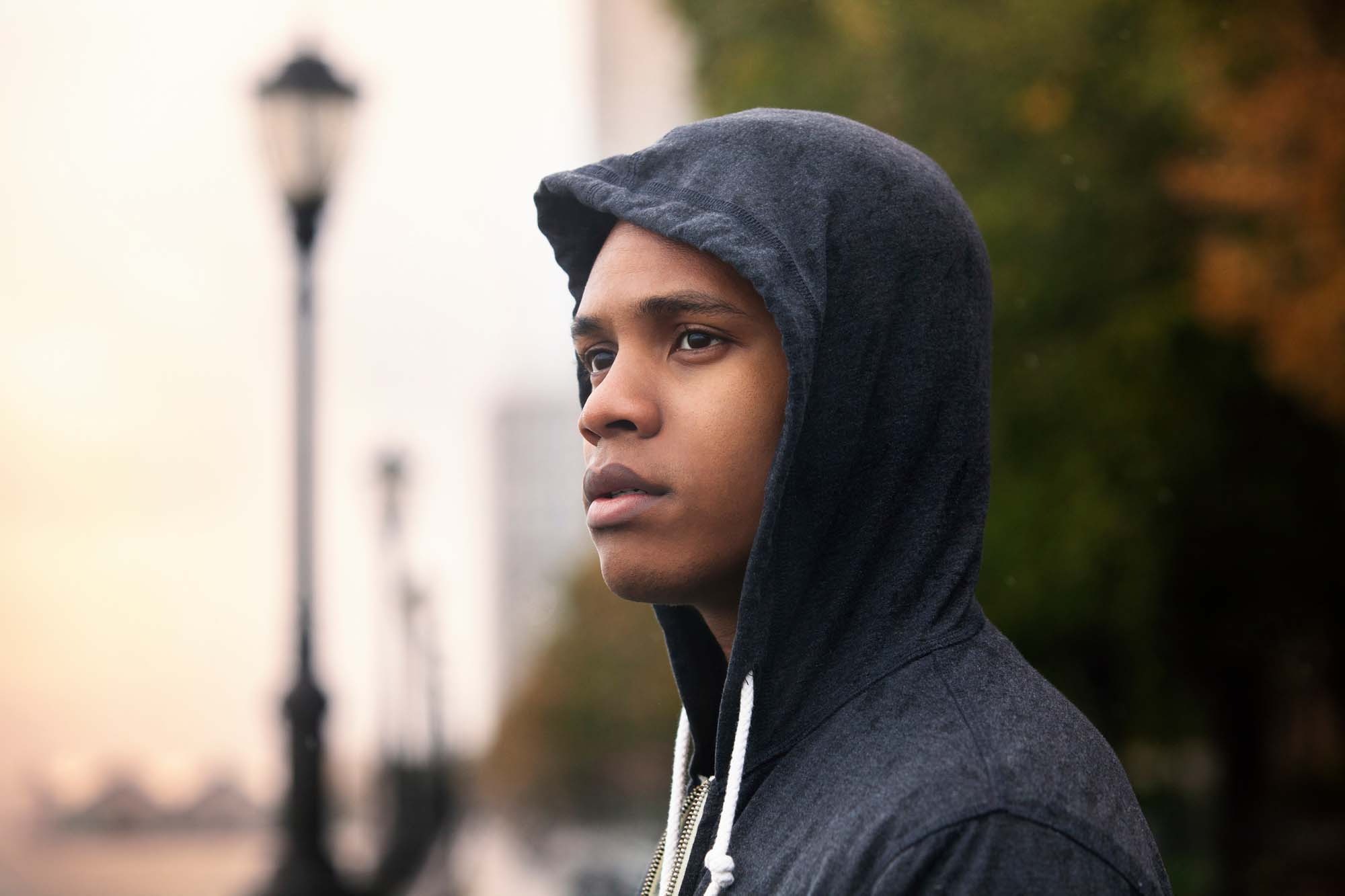
What Depression Actually Looks Like in Teens
Teen depression does not always look the way adults expect it to. While adults with depression often present with sadness and withdrawal, adolescent depression frequently shows up as irritability, anger, physical complaints, and academic decline. Parents and teachers often see a teen who seems angry, unmotivated, or difficult — not a teenager who is suffering.
These symptoms — particularly when lasting more than two weeks and present across settings — warrant a clinical evaluation.
- Persistent sadness, emptiness, or tearfulness lasting more than two weeks
- Irritability, anger, or low frustration tolerance that is new or escalating
- Loss of interest in activities, friendships, or hobbies they previously enjoyed
- Significant changes in appetite or weight
- Sleep disruption — sleeping too much, too little, or at unusual hours
- Fatigue and low energy that doesn't improve with rest
- Difficulty concentrating, remembering, or making decisions
- Feelings of worthlessness, excessive guilt, or hopelessness
- Declining grades or disengagement from school
- Physical complaints — headaches, stomach pain — without clear medical cause
The mismatch between how depression looks in adults versus teens is one of the main reasons it goes unrecognized for so long.
- Teen depression often presents as irritability and anger, not sadness
- Academic decline is attributed to motivation or attitude, not a mood disorder
- Social withdrawal looks like normal teenage behavior to outsiders
- Physical complaints get investigated medically before mental health is considered
- Boys are especially likely to mask or deny depressive symptoms
- High-achieving teens can hide impairment until it becomes impossible
Some signs require immediate action. If your child is in immediate danger, call 988 or go to your nearest emergency room.
- Talking about death, dying, or not wanting to be alive
- Self-harm behaviors or evidence of self-harm
- Giving away valued possessions
- Expressing feelings of being a burden to others
- Sudden calm after a period of severe depression
- Increased use of alcohol or substances
If your child is expressing thoughts of suicide or self-harm, call 988 (Suicide & Crisis Lifeline) or go to your nearest emergency room immediately. This information is for educational purposes and is not a substitute for a clinical assessment.
Depression in Children and Teens Takes Different Forms
Depression is not a single, uniform condition. MBHC treats the full range of depressive disorders in children and adolescents — each requiring a treatment approach tailored to its specific features and clinical presentation.
Major Depressive Disorder
Persistent depressed mood or loss of interest in daily activities, present most of the day, nearly every day, for at least two weeks — with changes in sleep, appetite, energy, concentration, and self-worth. Can range from mild and episodic to severe and recurrent.
Persistent Depressive Disorder
A lower-grade but chronic form of depression lasting at least one year in children and teens. Teens with PDD often don't recognize it as a disorder — they may simply believe this is how life feels. Frequently underdiagnosed but highly responsive to treatment.
Disruptive Mood Dysregulation Disorder
Severe recurrent temper outbursts grossly out of proportion to the situation, and persistent irritable or angry mood between outbursts. DMDD is a depressive disorder in children — not a behavioral problem — and requires different treatment than bipolar disorder, which it can superficially resemble.
How MBHC Treats Depression in Kids and Teens
Effective depression treatment for teenagers combines evidence-based therapy, family involvement, and psychiatric support when needed — tailored to each teen's specific presentation, history, and level of care.
Cognitive Behavioral Therapy (CBT)
Among the best-studied treatments for adolescent depression. Helps teens identify the negative thought patterns and behavioral cycles that maintain depression — withdrawal, self-critical thinking, avoidance — and build more adaptive responses. Behavioral activation is one of the most effective components.
DBT for Adolescents (DBT-A)
For teens whose depression is accompanied by emotional dysregulation, self-harm, or suicidal ideation. Provides structured skills training in emotional regulation, distress tolerance, mindfulness, and interpersonal effectiveness — in an adolescent-specific format with a family skills component.
Family Therapy
Adolescent depression does not occur in a vacuum. Family relationships, communication patterns, and the home environment both influence and are influenced by depression. Family therapy at MBHC is not about assigning blame — it is about building the relational environment that supports recovery.
Medication Management
For moderate to severe adolescent depression, antidepressants — particularly SSRIs — have a strong evidence base when combined with psychotherapy. MBHC's psychiatric team conducts thorough evaluation and monitoring, with close coordination between prescribers and therapists throughout treatment.
Motivational Interviewing (MI)
Ambivalence and resistance are common in depressed teens — particularly boys. MI meets adolescents where they are in their readiness to engage and builds genuine buy-in, which is foundational to any effective treatment for teen depression.
Psychiatric Evaluation
A thorough psychiatric evaluation distinguishes depression from conditions that can look similar — including bipolar disorder, ADHD, and anxiety — and ensures that any pharmacological treatment is appropriately targeted and monitored throughout care.
Depression Treatment Levels for Teens in Michigan
MBHC provides the full continuum of depression treatment for teens — from weekly outpatient therapy to 24-hour residential care. The right level is determined by symptom severity, safety, and how your child is functioning day to day.
Outpatient Therapy for Kids & Teens
The most accessible starting point for most familiesWeekly individual therapy, family therapy, and psychiatric services for teens with mild to moderate depression who are functioning in daily life with support. Scheduled around school with minimal impact on attendance.
In-person and telehealth options available throughout Michigan.
- Has mild to moderate depression and is safe at home
- Is attending school and managing daily life with support
- Is stepping down from IOP or PHP
Teen IOP — Intensive Outpatient Program
Structured support compatible with school attendanceMultiple weekly sessions of group and individual therapy for teens whose depression is significantly impairing school or social functioning but who are safe at home. School-schedule compatible — most teens attend school on non-treatment days.
- Depression is significantly impairing school or social functioning
- Is safe at home and can continue some school attendance
- Has not responded adequately to weekly outpatient therapy
Teen PHP — Partial Hospitalization Program
Full-day intensive treatment — your teen returns home each eveningFull-day programming for teens in acute distress — significant suicidal ideation without active intent, severe functional impairment, or step-down from inpatient or residential care. The most intensive level of outpatient treatment MBHC provides.
- Has significant suicidal ideation or acute distress
- Is stepping down from inpatient or residential treatment
- Has a safe home environment to return to each evening
Adolescent Residential Treatment (Ages 13–17)
24-hour structured care — in Michigan, close to home24-hour structured clinical care for teens who cannot be safely supported at an outpatient level. MBHC's adolescent residential program is one of the largest in Michigan — meaning families don't have to send their teens out of state.
Round-the-clock clinical care, structured daily programming, academic support, and intensive family involvement — all in Michigan.
- Cannot be safely supported at home at current symptom level
- Has not responded to lower levels of care
- Needs 24-hour structured care and supervision
- Is ages 13–17
Serving Families in Lenawee County & Southeast Michigan
MBHC is located at 500 E Pottawatamie St, Tecumseh, MI 49286 — serving families in Lenawee County and throughout southeast Michigan. If your teen has been struggling — whether for weeks or for years — our clinical team can help you understand what's happening and what the right next step looks like. Telehealth available statewide.
500 E Pottawatamie St
Tecumseh, MI 49286
Frequently Asked Questions About Depression Treatment for Kids & Teens in Michigan
Common questions from parents and families in Michigan exploring depression treatment options for their children.
Duration, pervasiveness, and impairment are the key factors. A difficult time passes — it is often linked to a specific event, and a teen is still able to experience positive moments and function in daily life. Depression persists. It affects multiple areas of functioning. It doesn't lift when circumstances improve. If what you're observing has lasted more than two weeks, is present across settings, and is impairing your child's daily life, it warrants a clinical evaluation.
Yes — and highly so. With appropriate treatment, the large majority of teens with depression show significant improvement. The most important factor is access to the right level of care early enough that depression doesn't shape a young person's developmental trajectory.
Yes. Ambivalence and denial are common in teens — particularly boys — and they don't predict treatment failure. Motivational interviewing is specifically designed to meet adolescents where they are in their readiness to engage, and many teens who initially resist treatment become active participants once a genuine therapeutic relationship is established.
Depression involves persistent low mood, loss of interest, and related symptoms — without distinct episodes of elevated or expansive mood. Bipolar disorder involves mood cycling that includes periods of mania or hypomania alongside depressive episodes. Getting the diagnosis right matters enormously, because antidepressants prescribed to a teen with unrecognized bipolar disorder can precipitate a manic episode. MBHC's psychiatric team conducts comprehensive evaluations to distinguish between them.
Yes. MBHC offers telehealth for outpatient depression treatment for eligible children and teens across Michigan — making high-quality care accessible regardless of distance from our Tecumseh location.
Depression Resources for Kids, Teens & Families in Michigan
Trusted national and Michigan-specific organizations providing reliable information on teen depression — including local Lenawee County services near our Tecumseh location.
Your Teen Doesn't Have to Keep Struggling
Whether your family is in crisis or you're just starting to look for answers, MBHC's clinical team is here to help you understand what's happening — and what the right next step looks like for your child.
500 E Pottawatamie St, Tecumseh, MI 49286 · Telehealth available statewide · Get in touch →