
Every teenager gets nervous before a big presentation or feels awkward at a party where they don’t know anyone. That is normal. What is not normal is a teenager who stops going to school because the hallways feel unbearable. A teenager who cancels plans every time, not because they don’t want friends, but because the anticipation of being seen, judged, or embarrassed is physically overwhelming.
If that description sounds familiar, you are not watching your child be shy. You may be watching them struggle with severe social anxiety, and there is a meaningful difference between the two. This guide is for the parents who are watching their teenager shrink and don’t know where to start.
Understand What Severe Social Anxiety Actually Is
The most common mistake parents make is assuming social anxiety is a personality trait their teenager will grow out of. For some teens, nervousness in social situations does fade with time and experience. For others, it doesn’t fade at all. It compounds.
Social Anxiety Disorder is not shyness. It is a clinical condition in which the fear of social situations is so intense that it interferes with daily functioning. The core fear is not crowds or strangers specifically. It is the fear of being watched, evaluated, embarrassed, or humiliated by others. And for a teenager, whose entire developmental world revolves around peers, belonging, and identity, that fear can become completely paralyzing.
What severe social anxiety can look like in teenagers:
- Refusing to attend school, eat in the cafeteria, or participate in class
- Avoiding phone calls, even to order food or schedule an appointment
- Extreme distress before any social event, sometimes days in advance
- Physical symptoms including nausea, sweating, trembling, or a racing heart before or during social situations
- Replaying social interactions for hours or days afterward, convinced they said the wrong thing
- Withdrawing from friendships not out of disinterest, but out of exhaustion and fear
The types of situations that most commonly trigger social anxiety in teens:
- Speaking in class or being called on by a teacher
- Eating or drinking in front of others
- Starting or maintaining conversations with peers
- Attending parties, dances, or unstructured social events
- Performing in any capacity, athletic, academic, or artistic
- Using public restrooms or being in any situation where others might observe them
You May Also Enjoy: 7 Red Flags That Indicate Your Teen Needs Mental Health Support
Recognize When It Has Crossed a Clinical Line
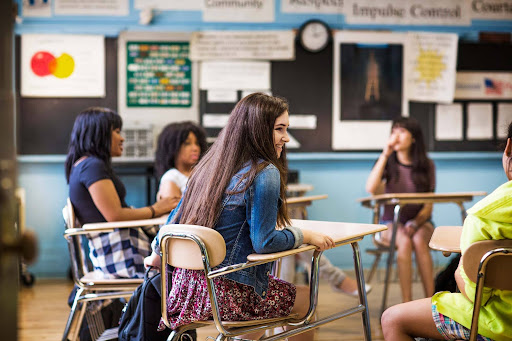
Knowing when to seek help is one of the hardest parts of parenting a teenager with anxiety. Teens are private. They minimize. They are often more comfortable suffering quietly than admitting something is wrong, particularly when what is wrong involves fear of other people’s judgment.
It is time to seek a professional evaluation if you notice:
- Your teenager is avoiding school regularly or refusing to attend at all
- Friendships have disappeared entirely over the past several months
- Your teen is visibly distressed, not just quiet, before routine social situations
- They are using avoidance as their primary coping strategy, and the avoidance is growing
- Physical complaints like stomachaches or headaches appear consistently before social events
- They have expressed feeling like something is fundamentally wrong with them
Social Anxiety vs. Other Common Adolescent Presentations
Social anxiety in teenagers is frequently misread, both by parents and by clinicians who spend limited time with them. The most common points of confusion include:
- Depression: Social withdrawal is a symptom of both conditions. The distinction is that a teen with social anxiety often wants connection deeply but fears it. A teen with depression may feel genuinely indifferent to it. The two conditions also frequently co-occur.
- Selective Mutism: Some teenagers with severe social anxiety become functionally unable to speak in specific settings, most commonly school. This is not defiance. It is a fear response that has become a conditioned behavior.
- Avoidant Personality Disorder: When social anxiety is pervasive, longstanding, and tied to a deep sense of being fundamentally inferior or unlovable, a clinician may consider whether the presentation has crossed into personality-level patterns. This distinction matters for treatment planning.
Identify the Right Level of Support for Your Teen
Social anxiety exists on a spectrum, and the level of clinical support your teenager needs should match where they actually are on that spectrum, not where it would be convenient for them to be.
Outpatient Individual Therapy: For teenagers whose social anxiety is impairing but not yet preventing basic daily functioning, weekly individual therapy using Cognitive Behavioral Therapy (CBT) is the gold standard first-line treatment. CBT helps teens identify the distorted thoughts driving their fear and gradually face the situations they have been avoiding.
Group Therapy: Counterintuitive as it sounds, group therapy is one of the most effective formats for social anxiety. A structured, clinician-led group provides a safe environment where teenagers can practice the exact skills they are working on, being present with other people, tolerating discomfort, and discovering that the feared outcomes rarely materialize.
Intensive Outpatient Programs (IOP): When social anxiety has escalated to the point of school refusal, complete social withdrawal, or significant depression, a higher level of structured care may be necessary. IOP provides daily clinical support, skills practice, and peer interaction in a contained environment that bridges the gap between crisis and a return to daily life.
Medication Evaluation: For some teenagers, therapy alone is not sufficient to reduce the physiological intensity of their anxiety enough to engage in treatment effectively. A psychiatric evaluation can determine whether medication support is appropriate as part of a broader treatment plan.
You May Also Enjoy: How to Suggest Therapy to a Loved One: A Guide to Navigating Resistance
How to Support Your Teenager Without Making It Worse
This is the part no parent wants to hear: some of the most loving, instinctive responses to a teenager with social anxiety can accidentally reinforce it. Understanding the difference between support and accommodation is one of the most important things a parent can learn.
What helps:
- Validate the feeling without validating the avoidance. Saying “I know this feels terrifying, and I also know you can handle it” is different from saying “You don’t have to go if it feels too hard.” One builds tolerance. The other builds a smaller and smaller world.
- Avoid over-reassurance. When your teenager asks “Do you think they will think I’m weird?” for the fourth time, the instinct is to reassure them. But repetitive reassurance actually feeds anxiety by confirming that the threat needs managing rather than facing.
- Stay regulated yourself. Your teenager’s nervous system is watching yours. A parent who becomes visibly distressed by their teen’s anxiety communicates that the situation is, in fact, dangerous. Calm, steady, and matter-of-fact is the most therapeutic thing a parent can be.
What does not help:
- Allowing unlimited avoidance in the name of reducing their stress in the short term
- Catastrophizing the situation to other adults in front of your teenager
- Pressuring your teen to “just push through it” without clinical tools to actually do so
- Waiting to seek help because you are worried about putting a label on your child
About Midwest Behavioral Health Center
Midwest Behavioral Health Center’s services are coming soon. While we are not yet open, we are actively hiring. Visit our Employment Opportunities page to learn more.
At Midwest Behavioral Health Center, we understand that a teenager who has stopped showing up to their own life is not a teenager who needs tougher love. They need clinical support that meets them where they are, not where it would be easiest for them to be.
We are building a space designed for the specific complexity of adolescent mental health, where teens and families receive care that is structured, evidence-based, and genuinely compassionate.
Upcoming Clinical Services: Our Vision for Care
Adolescent Services (Ages 13-17): Social anxiety in teenagers requires a developmentally grounded approach. Our adolescent programming accounts for the unique pressures of this stage of life, including school demands, social identity, and family dynamics.
Individual and Group Therapy: One-on-one CBT-based sessions alongside structured group therapy, giving teenagers both the private space to process their experience and the real-world practice of being present with peers.
Intensive Outpatient and Day Treatment: For teenagers whose anxiety has already led to significant school avoidance or social withdrawal, our IOP provides the daily clinical structure needed to begin rebuilding tolerance and functioning.
Medication Management: Our psychiatric team offers careful, evidence-informed evaluations for adolescents when medication support is determined to be appropriate as part of a broader treatment plan.
Your teenager does not have to keep getting smaller to stay safe. There is a way through this, and your family does not have to find it alone.
FAQs: Teen Social Anxiety

How do I know if my teenager has social anxiety or is just shy?
Shyness is a temperament. Social anxiety is a clinical condition. The distinction is functional impairment. If your teenager’s nervousness around others is preventing them from attending school, maintaining friendships, or participating in daily activities, it has moved beyond shyness into territory that warrants professional attention.
Can social anxiety get better without therapy?
Mild social anxiety sometimes improves as teenagers gain more life experience and social confidence. Severe social anxiety, particularly when avoidance has become a primary coping strategy, rarely resolves on its own and tends to worsen over time without intervention.
What type of therapy works best for teen social anxiety?
Cognitive Behavioral Therapy (CBT) with an exposure component is the most well-supported treatment for social anxiety in adolescents. The exposure element, where teenagers gradually and systematically face feared situations, is what drives lasting change.
Should I tell my teenager’s school about their diagnosis?
In many cases, yes. Schools can provide meaningful accommodations for teenagers with social anxiety, including modifications to classroom participation requirements, a safe person to check in with, and support around attendance. A clinician can help you navigate that conversation.
What if my teenager refuses to go to therapy?
This is more common than most parents expect. Starting with a low-stakes introduction to a provider, framing it as a consultation rather than treatment, can reduce resistance. Family therapy is also a valid entry point when an adolescent is unwilling to engage individually.
Are you a clinician with experience in adolescent anxiety disorders?
Midwest Behavioral Health Center is growing its team. Visit our Careers Page today to explore current opportunities.
You May Also Enjoy: 7 Practical Ways to Quiet an Anxious Mind: A Guide to Finding Peace